
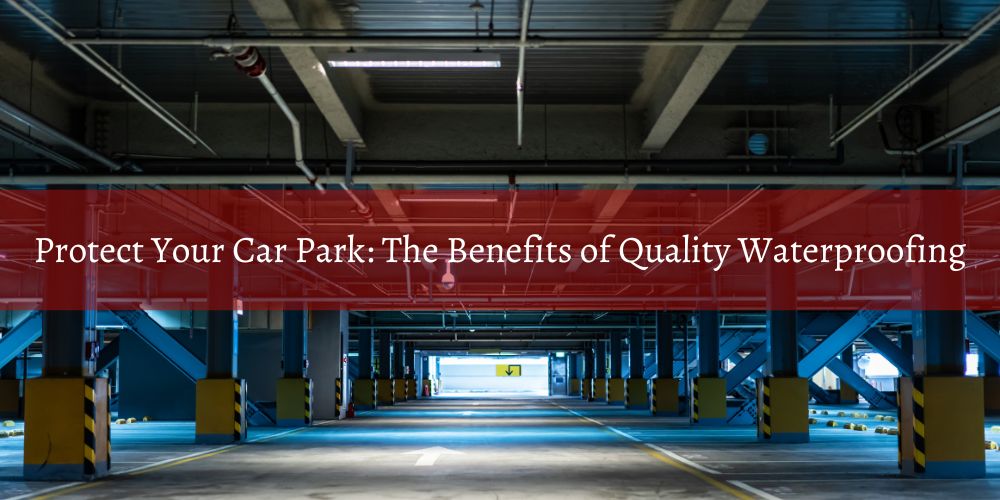
Water damage is a leading cause of structural deterioration in car parks, with an estimated 40% of multi-storey car parks in the UK experiencing significant waterproofing issues. This can lead to costly repairs and even structural failure if not addressed promptly. Waterproofing car parks is essential for protecting these valuable assets, ensuring their longevity, and maintaining user safety. In this blog, we will explore the potential damage caused by water ingress, the benefits of waterproofing, and how it protects investments.
The Risks Of Water Ingress For Car Parks
- Concrete Deterioration
- Rebar Corrosion
- Safety Hazards
1. Concrete Deterioration
Water penetrates concrete surfaces through cracks and pores, leading to significant deterioration over time. This is exacerbated by freeze-thaw cycles, common in the UK's temperate climate. When water enters the concrete and freezes, it expands, causing cracks to widen and the concrete to spall. This cycle of freezing and thawing weakens the concrete, reducing its structural integrity and lifespan.
2. Rebar Corrosion
Water and chlorides from de-icing salts penetrate the concrete, causing the steel rebar within to rust and expand. This expansion exerts internal pressure on the concrete, leading to further cracking and spalling. Corroded rebar can significantly compromise the structural integrity of a car park, posing risks of partial or complete collapse if not addressed. According to the Concrete Society, corrosion is a primary factor in the degradation of reinforced concrete structures in the UK.
3. Safety Hazards
Water ingress can create hazardous conditions for both vehicles and pedestrians. Potholes and cracks can damage vehicles, while slippery surfaces increase the risk of slips and falls. Property owners may face legal liabilities if accidents occur due to poorly maintained car park surfaces. Ensuring proper waterproofing can mitigate these risks, enhancing safety and reducing potential legal exposure.
Have a question about an upcoming project?
The Benefits of Car Park Waterproofing
- Prolonged Structural Integrity
- Enhanced Safety
- Increased Longevity
- Reduced Maintenance Costs
- Improved Aesthetic Appearance
1. Prolonged Structural Integrity
Maintaining the structural integrity of a car park is crucial for its overall functionality and safety. Waterproofing helps preserve the concrete and steel elements, preventing the degradation caused by water ingress. This ensures that the car park remains stable and secure, capable of withstanding the stresses of daily use and environmental conditions.
2. Enhanced Safety
A well-waterproofed car park eliminates many safety hazards associated with water damage, such as slippery surfaces and structural weaknesses. By preventing water ingress, waterproofing reduces the risk of accidents and injuries, ensuring a safer environment for both drivers and pedestrians. This proactive approach to safety can also reduce the likelihood of legal issues arising from accidents on the property.
3. Increased Longevity
Waterproofing materials, such as membranes and sealants, protect the structural components of car parks from water ingress. By creating a barrier, these materials prevent water from penetrating the concrete and reaching the rebar. This not only maintains the structural integrity of the car park but also significantly extends its lifespan. For example, a waterproofed car park can last up to 30 years longer than one without proper protection.
4. Reduced Maintenance Costs
Waterproofing minimizes the need for frequent repairs and resurfacing, resulting in substantial cost savings over time. A cost-benefit analysis conducted by the British Parking Association found that waterproofing a car park can reduce maintenance costs by up to 50%. The initial investment in waterproofing materials and application is offset by the reduced frequency and severity of repairs, making it a financially sound decision.
5. Improved Aesthetic Appearance
A well-maintained, waterproofed car park enhances the user experience by providing a safe, clean, and aesthetically pleasing environment. Waterproofing prevents unsightly stains, mold growth, and water damage, which can detract from the appearance of the car park. Additionally, users are more likely to frequent car parks that are well-kept and free from hazards, increasing overall satisfaction and usage.
Case Studies and Real-World Examples
Case Study 1: Commercial Car Park in a Rainy Climate
A commercial car park in Manchester, known for its high annual rainfall, was experiencing significant water damage, including concrete spalling and rebar corrosion. The waterproofing process involved applying a liquid-applied membrane to the surface, followed by sealing all joints and cracks. The results were impressive: water ingress was eliminated, the structural integrity was restored, and maintenance costs were reduced by 40%.
Case Study 2: Urban Multi-Level Car Park
An urban multi-level car park in London faced challenges due to heavy traffic and exposure to de-icing salts. The waterproofing solution included using mastic asphalt on the upper levels and integral waterproofing for the concrete. This comprehensive approach not only protected the structure from water damage but also enhanced its durability and reduced the need for frequent repairs. As a result, the car park's lifespan was extended by an estimated 25 years.
Waterproofing Methods and Materials
Liquid Applied Membranes
Liquid-applied membranes are versatile and can be applied to various surfaces, creating a seamless and flexible barrier against water. They are ideal for complex geometries and can be easily applied to both new and existing car parks. The application involves cleaning the surface, applying a primer, and then layering the liquid membrane, which cures to form a durable waterproof coating.
Mastic Asphalt
Mastic asphalt is a robust and durable material used for waterproofing car parks. It involves heating the asphalt to a high temperature and then applying it to the surface, where it cools and hardens to form a seamless, watertight layer. This method is particularly effective for car parks with heavy traffic and exposure to harsh weather conditions. Mastic asphalt is known for its longevity and resistance to wear and tear, making it an excellent choice for both new constructions and refurbishments.
Integral Waterproofing
Integral waterproofing involves mixing waterproofing agents directly into the concrete. This method provides long-term protection as the entire concrete structure becomes water-resistant. Integral waterproofing is ideal for new constructions and major renovations, offering a permanent solution that enhances the durability of the car park. This method is particularly beneficial in environments exposed to constant moisture and de-icing salts.
Conclusion
In summary, waterproofing car parks is crucial for protecting these investments, extending their lifespan, and enhancing user satisfaction. By addressing potential water damage through effective waterproofing methods, property owners can significantly reduce maintenance costs and ensure the safety of their car parks. Investing in waterproofing is a proactive measure that pays off in the long run. For a comprehensive assessment and professional waterproofing services, contact a reputable provider today to safeguard your car park and enhance its longevity.