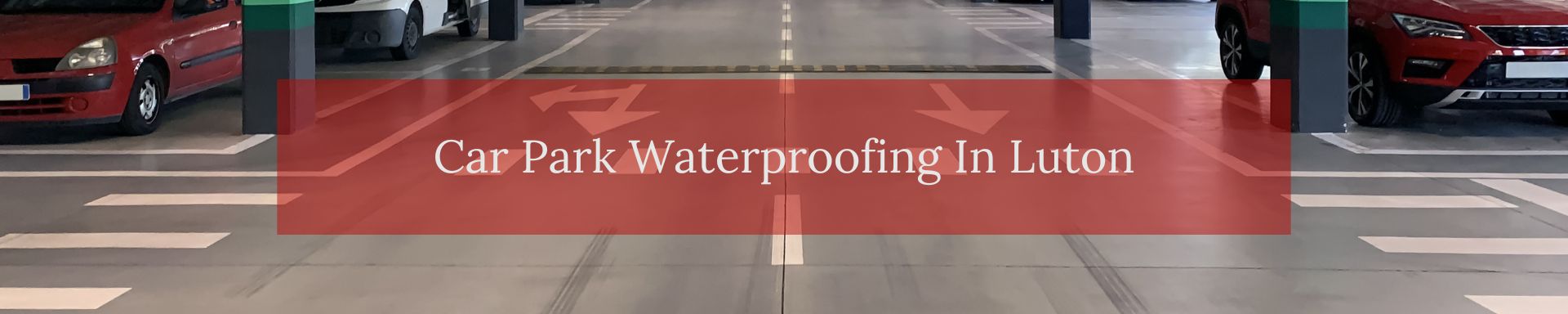
Our car park waterproofing services in Luton offer comprehensive protection for your parking areas. Car Park Waterproofing Systems are a leading supplier of car park waterproofing services in Luton. We are renowned for delivering high-quality solutions and expert service. Car park waterproofing refers to the process of applying protective coatings and membranes to parking structures to prevent water ingress that can cause damage such as corrosion, concrete deterioration, and steel reinforcement rust. These waterproofing systems are designed to create a barrier against moisture, chemicals, and mechanical stress, ensuring the longevity and safety of the car park. Common waterproofing methods include the application of mastic asphalt, cold applied liquid membranes, and other specialised sealants tailored to withstand the environmental conditions and traffic load of the area.
Luton, located approximately 30 miles north of London in Bedfordshire, England, is a large town known for its diverse community and significant industrial heritage, particularly in car manufacturing and hat making. Today, Luton's economy is bolstered by its major airport, London Luton Airport, which is one of the UK's busiest, serving as a key transport hub for both national and international flights. The town also celebrates a rich cultural life, hosting the annual Luton International Carnival, the largest one-day carnival in Europe, which highlights its vibrant multicultural atmosphere. Additionally, Luton offers various parks and recreational areas, including Stockwood Park, which houses a museum and gardens, providing cultural and leisure activities for its residents and visitors.
Luton, a significant urban centre in Bedfordshire, provides a range of car parking options suitable for residents, commuters, and visitors. Central car parks like the Bute Street and Library Road car parks offer convenient access to the town centre, shopping areas, and the University of Bedfordshire. For travellers using London Luton Airport, several designated car parks, including short-stay, long-stay, and priority parking, are available to meet the needs of both frequent and occasional flyers. Additionally, Luton also offers park-and-ride services, which are particularly useful for reducing congestion in the town centre and providing an efficient alternative for reaching major destinations.
Car Park Waterproofing Systems deliver comprehensive waterproofing services tailored to the diverse array of car parks throughout Luton, from the high-traffic areas at the airport to smaller, local car parks in residential zones. Our expertise ensures that your Luton parking facilities receive the highest standard of protection and enduring durability, essential for withstanding local weather conditions and frequent use. With Car Park Waterproofing Systems, every car park in Luton is equipped to maintain its safety and extend its lifespan through advanced materials and innovative application techniques. Rely on our experienced team for dependable waterproofing solutions that keep your Luton parking structures in optimal condition.
Car Park Waterproofing Services We Provide In Luton
Car Park Waterproofing Systems delivers specialist waterproofing, repair, and resurfacing services tailored to the structural, safety, and operational needs of commercial and multi-storey car parks. Our work focuses on long-term protection, traffic durability, and preventing water ingress, using systems designed for complex environments and exposed structures. From deck sealing to joint treatment, every solution is applied by experienced contractors using trusted materials like PMMA, liquid polyurethane, and mastic asphalt.
- Car Park Waterproofing: Protects car park structures from water ingress using seamless systems designed for exposed decks and high-traffic areas.
- Car Park Repairs: Restores damaged car park surfaces by fixing cracks, potholes, and wear before structural issues escalate.
- Car Park Surfacing: Installs durable, traffic-resistant surface finishes using liquid membranes, PMMA, or asphalt overlays.
- Car Park Re-Surfacing: Renews failing or aged car park surfaces by replacing worn layers to restore protection and extend service life.
- Asphalt Car Parks: Constructs and waterproofs mastic asphalt car parks to deliver a seamless, hard-wearing surface with long-term performance.
- Multi-Storey Car Park Waterproofing: Seals top decks, ramps, and intermediate levels to prevent water ingress and protect structural elements across all levels.
- Car Park Expansion Joints: Installs and seals expansion joints to handle structural movement while keeping the deck watertight and traffic-safe.
- Car Park Roof Waterproofing: Applies waterproofing membranes to exposed rooftop parking levels, stopping leaks and protecting occupied areas below.
- Car Park Deck Waterproofing: Seals concrete decks with flexible, high-performance systems to stop water ingress and resist surface wear.
- Car Park Maintenance: Delivers routine inspections, cleaning, crack repairs, and waterproofing to preserve surface integrity and avoid costly failures.
Our full-service offering ensures your car park is protected, traffic-safe, and built to endure the demands of high-use commercial environments.
The Process Of Car Park Waterproofing
At Car Park Waterproofing Systems, we are proud to offer a range of market leading solutions for waterproofing car parks. We are not tied to any particular product and will always provide impartial recommendations based upon the unique needs of each car park project. To give you a deeper understanding of the process of waterproofing a car park, we will provide step-by-step guides of how to waterproof a car park using the two most effective materials on the market. These materials are; cold applied liquid membranes and mastic asphalt.
Car Park Waterproofing With A Cold Applied Liquid Membrane
A cold applied liquid membrane is a waterproofing solution which requires no heating nad is applied as a liquid at ambient temperatures. Cold applied liquid membranes cure to form a seamless, elastic and durable waterproof barrier. Cold applied liquid is frequently chosen for car park waterproofing. The excellent waterproofing properties of cold applied liquid membranes means it is also widely used for roofs, walkways, balconies and steps. The main benefits of cold applied liquid for car park waterproofing are; they are easy to apply, cost-effective, safe to use, have excellent elasticity and provide a seamless finish. Here is how to apply a cold applied liquid membrane for car park waterproofing.
Step 1: Car Park Surface Preparation
- Cleaning: The first step of applying a cold applied liquid membrane for car park waterproofing is to thoroughly clean the surface of the car park. This means you should remove all dirt and debris from the car park deck. Then remove any existing sealants or coatings from the car park surface. When cleaning is complete the surface should be completely dry and free from any materials which may impair the adhesion of the waterproofing membrane.
- Repairs: Next there should be repairs of any cracks, holes, or damaged areas in the concrete or asphalt substrate. Any surface issues must be dealt with to ensure a smooth substrate which will enable an even application of the cold applied liquid membrane to the car park deck. This is achieved by planing. Planing is the process of removing layers or uneven sections of a surface to create a smoother, more even finish. Planing is often carried out with specialised machinery, such as a planer or milling machine. The objective of planing is to create a smooth base which will support an even application of the membrane. The final step of surface preparation is to ensure the substrate has a good key base for adhesion to the membrane.
Step 2: Priming The Car Park Surface
- Application of Primer: The car park surface should be primed with a primer which suitable for use with the chosen cold applied liquid product. The primer improves the adhesion of the liquid membrane with the car park surface. Before proceeding with the application of the cold applied liquid membrane the primer should be completely dry.
Step 3: Applying The First Layer Of Liquid Waterproofing To The Car Park Surface
- First Layer Application: The first layer of the cold-applied liquid should be implemented using a brush, roller or spray equipment. The best way to apply the liquid product should be found in the manufacturers specification. It should be ensured the liquid coating is covered consistently across the car park surface. The reason for this to avoid areas which are not sufficiently protected which can cause leaks over time.
- Curing: One the the first layer has been applied, it should be left to cure in line with the the manufacturer’s guidelines. The cure time for the first layer of waterproofing on a car park can fluctuate depending on factors such as the ambient temperature and humidity.
Step 4: Additional Car Park Waterproofing Layers and Detailing
- Additional Layers: With some cold applied liquid waterproofing systems additional layers will be required. These should be added in accordance to the manufacturers guidelines once the first layer has cured. In most cases additional layers will improve the durability and lifespan of the car park waterproofing membrane.
- Detailing: Complex details on a car park deck should be paid special attention to ensure they are correctly waterproofed. Complex detailing includes areas around; drains, upstands and plant machinery. Complex detailing often requires a special detailing product which often has additional fibres for reinforcement and increased durability.
Step 5: Inspection and Repairs Of The Liquid Car Park Waterproofing Membrane
- Quality Inspection: Once the cold applied waterproofing membrane has cured, the entire car park surface should be analysed for imperfections and areas where there is not sufficient coverage of the liquid applied membrane. These areas should be marked so repairs can be easily executed.
- Repairs: The areas marked for repairs should be fixed. This will often include applying another coating of the cold applied liquid to ensure the whole car park surface has an even coverage to a sufficient thickness.
Step 6: Protective Top Coat Application (Optional)
- Top Coat Application: A protective top coat can be applied to the liquid membrane to provide extra durability. This top coat can protect against a number of factors including; UV light, chemicals, and heavy usage. In many cases, a top coat will extend the life of a car park waterproofing system. A typical top coat for a cold applied liquid car park waterproofing system would be an aliphatic polyurethane.
Step 7: Regular Maintenance Of The Car Park Waterproofing Membrane
- Maintenance Checks: Regular maintenance of the car park deck is imperative to maximise the longevity of the waterproofing membrane. It is strongly recommended to schedule regular inspections of the car park waterproofing and quickly address any issues which appear.
Cold-applied liquid membranes are a leading choice for car park waterproofing due to being seamless, easy to apply and durable. However, the quality of cold-applied liquid membranes can vary significantly between brands and it is recommended to understand these differences before making a choice.
Car Park Waterproofing With Mastic Asphalt
Mastic asphalt is an exceptionally durable waterproofing material often referred to as “The King Of Waterproofing”. Mastic asphalt is applied after blocks are heated to a molten state then applied to the substrate. The mastic asphalt cools and hardens to form a waterproof membrane. This mastic asphalt membrane is seamless and joint-free. Mastic asphalt membranes are well-known for their resistance to water ingress and mechanical damage. Mastic asphalt is often used for car park waterproofing. The popularity of mastic asphalt as a waterproofing membrane for car park decks is due to it having excellent load-bearing capacity, durability, and longevity. All of these attributes make mastic asphalt ideal for meeting the demands of high-traffic applications.
Step 1: Car Park Surface Preparation
- Cleaning: Before applying mastic asphalt the car park deck should be thoroughly cleaned. There should be no dirt, debris or any other substances which may hinder adhesion. Once the surface is cleaned it should be left to dry.
- Repairs: The cleaned car park deck should now be addressed for cracks, holes, or any uneven areas. Defective areas should be repaired and any uneven areas should be rectified before moving on to priming.
Step 2: Priming The Car Park Deck
- Application of Primer: Before the application of mastic asphalt, a bitumen-based primer should be applied to the entire car park deck substrate. The use of such a primer enhances the bonding of the mastic asphalt to the substrate. When applying a bitumen-based primer for mastic asphalt it should be ensured complete coverage is achieved. Once applied the primer should be allowed to dry according to the manufacturer's specification.
Step 3: Laying Roofing Underlay On Fibreglass Tissue
- Laying: Upon the primed surface a 10mm roofing underlay on fibreglass tissue should be laid. This serves as a separating membrane. The benefit of this 10mm roofing underlay on fibreglass tissue being laid is it prevents adhesion, serves as a moisture barrier, protects the substrate from high temperatures and enhances the durability of the waterproofing system by allowing for thermal movment.
4. Applying Roofing Grade Mastic Asphalt
- First Layer: One or two coats of roofing grade mastic asphalt should be applied to the car park substrate. Each coat of mastic asphalt should be spread evenly to guarantee an even finish. This mastic asphalt forms the initial waterproofing barrier for the car park.
5. Applying Paving Grade Mastic Asphalt
- Paving Coat: Next a top coat of paving grade mastic asphalt is applied to provide hardness and durability to the demands of a car park. This layer of paving grade mastic asphalt includes 30% grit for extra hardness. While 40% grit can be added to the paving grade mastic asphalt in areas with especially high demands, such as loading bays with pallet trucks, it must be noted it can be challenging to achieve a proper seal with such a high grit level. Regardless of the grit level in the paving grade asphalt, it should be applied smoothly and compactly.
6. Skid Resistance
- Crimp Roller: To provide a skid resistance to the car park deck surface a crimp roller is used. After applying the paving grade asphalt top coat to the car park a crimp roller is passed over the surface. This crimp roller provides skid resistance and prevents slipping in icy conditions. The use of a crimp roller eliminates the need for an additional anti-slip coating.
7. Detailing
- Upstand Margin: The perimiter of the car park deck should be waterproofed with a 100mm wide margin of roofing grade mastic asphalt. This margin should go between between the parking deck and concrete or brickwork upstand. The purpose of this margin is to allow for movement.
- Angle Fillet: A second angle fillet is added to create a watertight seal between the car park deck and upstand after the paving grade asphalt is laid.
- Upstand Application: For upstands mastic asphalt should be apploed to a minimum height of 150mm. This mastic asphalt should be to a thickness of 20mm, using three coats. Car park upstands should be tucked into a 25mm x 25mm chase cut into the concrete or brickwork, then pointed with mortar.
8. Cooling And Setting
- Curing Time: Once the car park waterproofing is complete it should be left for the mastic asphalt to cool and set properly. The setting time of mastic asphalt can vary, but it typically takes a few hours for the surface to be ready for pedestrian traffic. For vehicular use the waiting time is longer. The correct curing of the mastic asphalt is essential to ensure full strength and durability of the waterproofing membrane.
9. Quality Inspection
- Inspection: Once the mastic asphalt has cooled and set, the surface should be inspected for any imperfections or weak spots. The thickness should be consistent across the car park deck and the surface should be completely sealed. If any areas have issues they should be repaired immediately.
10. Applying A Protective Finish (Optional)
- Protective Layer: In some applications a protective finish will be required. This depends upon the expected traffic and environmental conditions the car park must endure. In situations where a protective finish is required it can help extend the lifespan of the mastic asphalt waterproofing.
11. Maintenance
- Regular Checks and Maintenance: Once car park waterproofing is complete, regular checks and maintenance should be scheduled. The car park deck should be inspected for signs of wear or damage. Although mastic asphalt is highly durable, maintenance can significantly expand the car park's lifespan and prevent the need for major repairs.
Mastic asphalt is especially favoured for its robust nature and ability to form a seamless, watertight layer that's ideal for areas exposed to significant weather variations and heavy traffic. Although the cost of mastic asphalt is higher than other waterproofing membranes for car parks, it often works out cheaper when you analyse the price from the perspective of cost per year of service life.
Have a question about an upcoming project?
Areas We Provide Car Park Waterproofing Services In And Around Luton
Car Park Waterproofing Systems provides comprehensive waterproofing services across Luton and its neighbouring towns, ensuring that parking structures in both urban and rural settings are effectively protected against environmental elements. Our services are crucial in places like Harpenden and Hitchin, where community and commuter parking needs demand durable and resilient infrastructure. We employ the latest in waterproofing technology and materials to safeguard car parks against moisture and weather-related wear, enhancing their durability and service life. Whether it's the bustling town centres or quieter village settings, Car Park Waterproofing Systems delivers tailored solutions to meet the specific waterproofing needs of each area, ensuring the safety and longevity of parking facilities throughout the Luton region.
- Dunstable: Just to the west of Luton, Dunstable is known for its proximity to the scenic Dunstable Downs and the Chiltern Hills, making it popular for outdoor activities like gliding. The town also features the Grove Theatre and the Priory Church, highlighting its cultural offerings.
- Harpenden: A prosperous town north of Luton, Harpenden is known for its spacious common, high-quality schools, and regular commuter train services to London. The town maintains a village-like charm with extensive green spaces and a friendly community.
- Hitchin: To the northeast of Luton, Hitchin boasts a picturesque and vibrant town centre with a medieval street layout, market, and numerous cafes and boutiques. The town holds a popular annual arts and music festival, attracting artists and visitors from the region.
- Leighton Buzzard: Situated to the west, Leighton Buzzard is renowned for its historic narrow-gauge railway and beautiful riverside parks. The town's weekly market has been running since the 13th century, contributing to its lively community atmosphere.
- Flitwick: South of Luton, Flitwick is a growing town with good transportation links, including a railway station that connects to London and the Midlands. It offers a blend of residential living and local amenities, including Flitwick Manor.
- Ampthill: A small historic town, Ampthill features architectural gems from the Georgian period and is surrounded by lush woodland and parkland, including the Houghton House ruins. The town centre is a conservation area, rich in history and local charm.
- Toddington: Close to Dunstable and Luton, Toddington is a small village known for its charming village greens and proximity to the M1 motorway, making it a convenient location for commuters. It also hosts a number of traditional events that enhance its close-knit community feel.
- Barton-le-Clay: Barton-le-Clay offers a rural lifestyle with the benefits of nearby urban amenities, characterised by its historic church and local shops. It's popular among families for its peaceful environment and good schools.
- Caddington: Just south of Luton, Caddington is a village with a strong local community and several parks and recreational grounds. The area is favoured by those looking for a quieter life close to larger towns.
- Redbourn: Known for its annual village fair and a thriving community spirit, Redbourn is situated to the east of Luton and offers picturesque countryside along with historic sites like Redbournbury Mill.
- Wheathampstead: A village steeped in history, Wheathampstead lies to the east of Luton and is known for its scenic beauty and historical significance, including connections to Queen Boudica. It offers tranquil countryside living with active community engagement.
- Markyate: A village close to both Luton and St Albans, Markyate is known for its vibrant local life and annual carnival. The village combines the charm of rural living with convenient access to major road networks.
How Much Does Car Park Waterproofing in Luton Cost?
The cost of car park waterproofing is normally between £40 and £180. The cost will depend on the type of system used and the complexity of waterproofing the car park. Cementitious waterproofing is normally the cheapest way to waterproof a car park and mastic asphalt is the most expensive. However, it is recommended to take into account the cost on a per year of service life basis.
The table below provides an overview of the estimated costs for four common waterproofing systems, expressed in pounds per square meter (£ per SQM). These estimates can help you plan your budget based on the specific needs and requirements of your car park project.
| Car Park Waterproofing System | Cost per Square Metre (£ GBP) |
|---|---|
| Liquid Applied Membranes | £48 to £60 |
| Mastic Asphalt | £160 to £180 |
| Sheet Membranes | £80 to £100 |
| Cementitious Waterproofing | £40 to £55 |
*These estimates are meant as general guidelines and can vary based on project requirements, location, and market conditions.
When analysing the cost of car park waterproofing, it's important to understand the range of waterproofing options available and the expenses associated with them. The best waterproofing system for you car park needs to take into account not only on budget but also the unique needs of the parking structure. Factors to consider include; durability, traffic volume, and exposure the car park needs to endure.
Below, we go into the costs for the two most effective car park waterproofing membranes; cold applied liquid and mastic asphalt. The aim is to help you make a better decision about the correct type of waterproofing for your car park.
The Cost Of Cold Applied Liquid Waterproofing For Car Parks
Cold applied liquid waterproofing for car parks costs between £48 and £60 per square metre. However, the overall cost of liquid waterproofing can fall outside of these ranges due to complex detailing, surfacing requirements and extra layers being required. Cold applied liquid is popular for car park waterproofing due to being cost effective, seamless and durable.
The Cost Of Mastic Asphalt Waterproofing For Car Parks
Mastic asphalt waterproofing for car parks costs between £160 and £180 per square metre. In some situations, costs can be outside this boundary due to complex detailing, surface preparation or finishing requirements. Mastic asphalt has proven to be exceptionally durable over a period of time. The high cost of mastic asphalt waterproofing is due to the material costs and the high skill level needed for its application. Mastic asphalt is popular for car parks due to it's longevity, durability and waterproofing performance. Although mastic asphalt is expensive it is an excellent long-term investment.
When assessing the waterproofing needs of your car park it is strongly recommended to consult with a reputable contractor to find the best solution for your specific situation.
Why Choose Us As Your Car Park Waterproofing Contractor in Luton?
- Innovative Waterproofing Technology: At Car Park Waterproofing Systems, we use advanced waterproofing technologies which allow for safe and efficient installation. Our modern methods allow for flame-free laying of mastic asphalt, ensuring better consistency, superior finishing, reduced risks and enhanced durability. We also utilise market leading car park coatings using liquid polyurethane and polyurea cold applied membranes, offering longevity, durability, safety and fast application.
- Unbeatable Expertise: Our team brings unparalleled expertise to every project. We have skilled professionals who have amassed more than 40 years of experience in the waterproofing industry. This depth of knowledge guarantees we understand the nuances of your car park waterproofing needs better than anyone else.
- Proven Track Record: We have a proven track record as a contractor on large commercial projects across the UK. Our extensive portfolio showcases our capability to fulfil complex projects with to a high standard and on time.
- Complimentary Consultation and Quotes: We believe in transparent and informed decision-making. We offer a range of FREE quotations and consultations to help you find the best solutions tailored to your specific needs without any hidden costs.
- Insurance Backed Guarantees: Confidence in our work is paramount, which is why we back our installations with insurance-backed guarantees. This provides our clients with peace of mind, knowing their investment is protected.
- Exceptional Customer Support: From the initial contact through to project completion and beyond, we provide exceptional customer support. Our dedicated team make sure you are well-informed and happy every step of the way, making your car park waterproofing experience smooth and hassle-free.
- Enhanced Safety and Aesthetics: We offer a range of flame free waterproofing solutions, as well as anti-slip finishes. This allows for increased safety before, during and after any car park waterproofing projects. Beyond safety we also offer a range of decorative finishes to enhance the visual appeal of your car park.
